Culture guide
Tokyo · Japan
Tokyo First Time Guide: Everything Before You Land
Everything before you land: Suica, the Yamanote logic, konbini culture and the five phrases.
6 min read · 1 day · Updated September 12, 2026
- tokyo
- first time
- beginners
- Destination
- Tokyo, Japan
- Duration
- 1 day
- Best time
- Mar-May
- Style
- Culture · Food · History
- Daily budget
- 120 USD
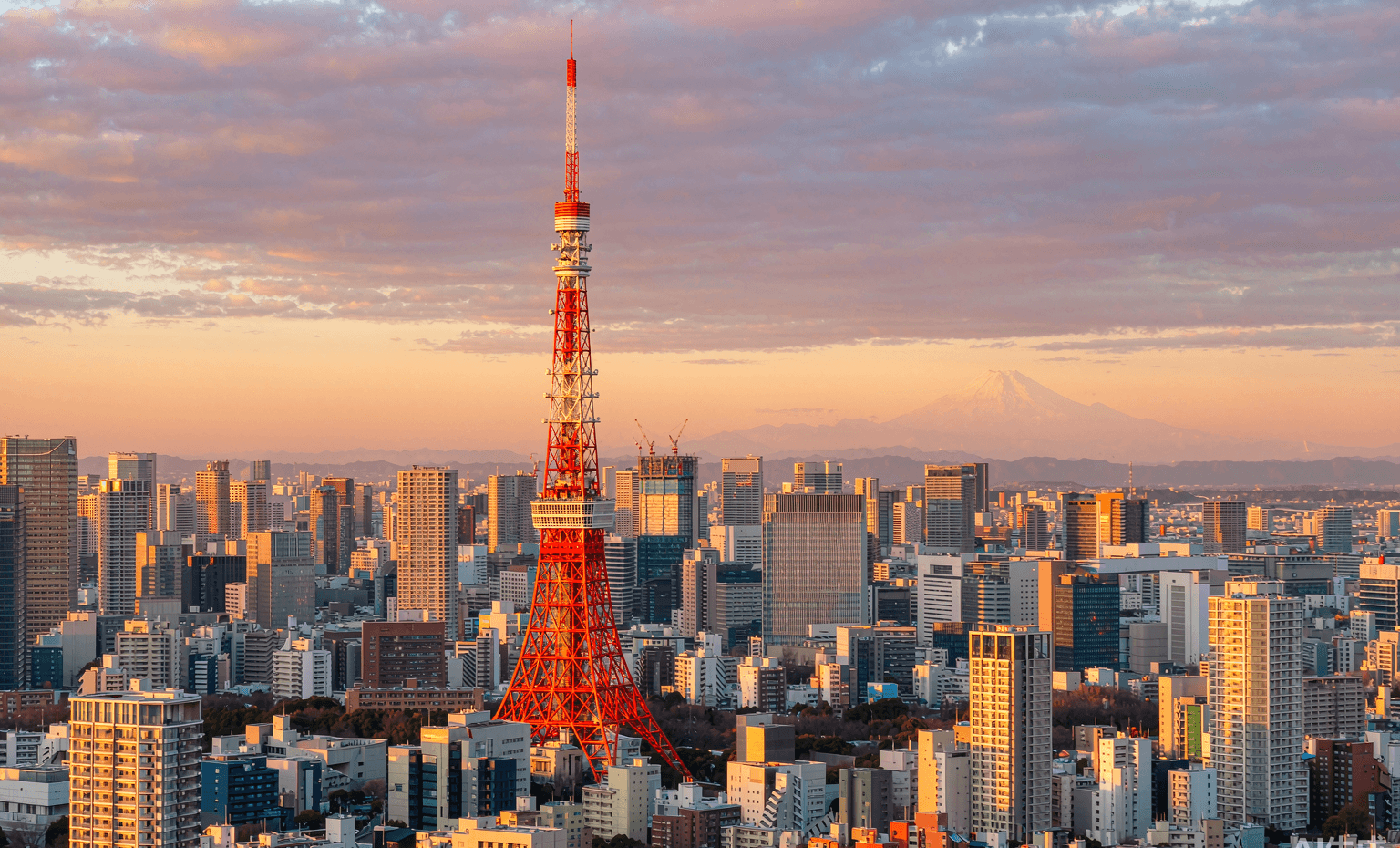
Tokyo intimidates from maps and delights from streets. The gap closes with about an hour of preparation: a phone Suica, a hotel on the Yamanote loop, the konbini breakfast concept, and five Japanese phrases. This guide is that hour.
Everything else — the itineraries, the budgets, the neighborhoods — follows from the infrastructure below.
What this guide covers
The First Evening
What to do the moment you land.
Day 1
Land, load, wander
Suica on the phone, the train in, and a konbini dinner near the hotel. Tomorrow starts early.
Setup: The First Hour
Add a Suica to Apple/Google Wallet before departure — it works on every train, bus and konbini from the airport train onward. Book a hotel near Shinjuku, Shibuya, Ueno or Tokyo Station. Download Google Maps (it handles Tokyo transit superbly) and a translation app.
Carry ¥10,000 cash as backup; cards and IC work almost everywhere else.
- Suica on the phone — the single best setup move.
- Yamanote-loop hotel — Shinjuku, Shibuya, Ueno or Tokyo Station.
- Google Maps + a translation app.
- ¥10,000 cash reserve.
The Konbini Culture
Convenience stores (7-Eleven, FamilyMart, Lawson) are Tokyo's honest food infrastructure: onigiri breakfasts, bento lunches, fried-chicken snacks and oden in winter — fresh, cheap, everywhere. Use them without apology; locals do.
Etiquette basics: no eating while walking in crowded lanes, shoes off where floors rise, no phone calls on trains, and the escalator stands on one side (left in Tokyo).
The Five Phrases
Sumimasen (excuse me/sorry — the universal opener), arigatou gozaimasu (thank you), kore o kudasai (this one, please), oishii (delicious), and eki wa doko desu ka (where's the station?). Five phrases and a bow's worth of politeness change every interaction.
What to know before you go
Money & transit
- Tokyo ~$120/day mid-range at planning figures.
- Suica on the phone; cash reserve for small stalls.
Etiquette
- No calls on trains; quiet is the norm.
- Shoes off where floors rise.
- Escalators: stand left in Tokyo.
Turn this guide into a trip
The trip planner opens pre-filled with Tokyo — adjust the dates and interests to fit your trip.
Plan around this destination
Related destinations
More guides
- Japan First Time Guide: The EssentialsEverything before you land: Suica, the Golden Route, the onsen rules and the pass verdict.Tokyo · 6 min read
- Tokyo 3 Day Itinerary: The First-Timer's Route That Actually WorksThree days in Tokyo without the heroic crossings: one core area per day, jet-lag-aware pacing, and the specific route we'd walk ourselves.Tokyo · 9 min read
- Tokyo Travel Budget: What a Day Really Costs in 2026The Tokyo budget, tier by tier: where the money goes, where it doesn't have to, and the three cheap tricks that actually work in 2026.Tokyo · 8 min read
- Tokyo Transportation Guide: The System, DecodedThe system decoded: Suica, the line logic, the transfer penalty and the last train.Tokyo · 5 min read
- Best Area to Stay in Tokyo: Shinjuku, Shibuya, or BeyondShinjuku for most first-timers — the transport hub with everything on the doorstep; Shibuya for nightlife and fashion; Ginza and Tokyo Station for comfort and connections; Asakusa for heritage at gentler rates. The station logic that makes the choice forgiving.Tokyo · 9 min read
- Best Neighborhoods in Tokyo: The Twelve CitiesThe twelve cities of Tokyo, one character each — and which three to visit per day.Tokyo · 6 min read
Ready-made trips
Frequently asked questions
Do I need cash in Tokyo?
Less every year — cards and IC work nearly everywhere — but markets and small ramen shops are cash zones. ¥10,000 in reserve covers any day.
Is the language barrier a problem?
Not seriously — translation apps and patience cover the gaps, and the five phrases carry most interactions.
What's the first thing to do after landing?
Load the Suica, ride the train in, konbini dinner, early night. The jet-lag dawn is tomorrow's gift.